
FREE KKD RECIPE
Basic Vanilla Buttercream
This is the buttercream to learn, because once you can make it you can adjust it to do four different jobs. The recipe is a simple ratio, one part butter to two parts icing sugar, and everything after that is about consistency. Most decorating problems a beginner runs into are consistency problems, not skill problems.
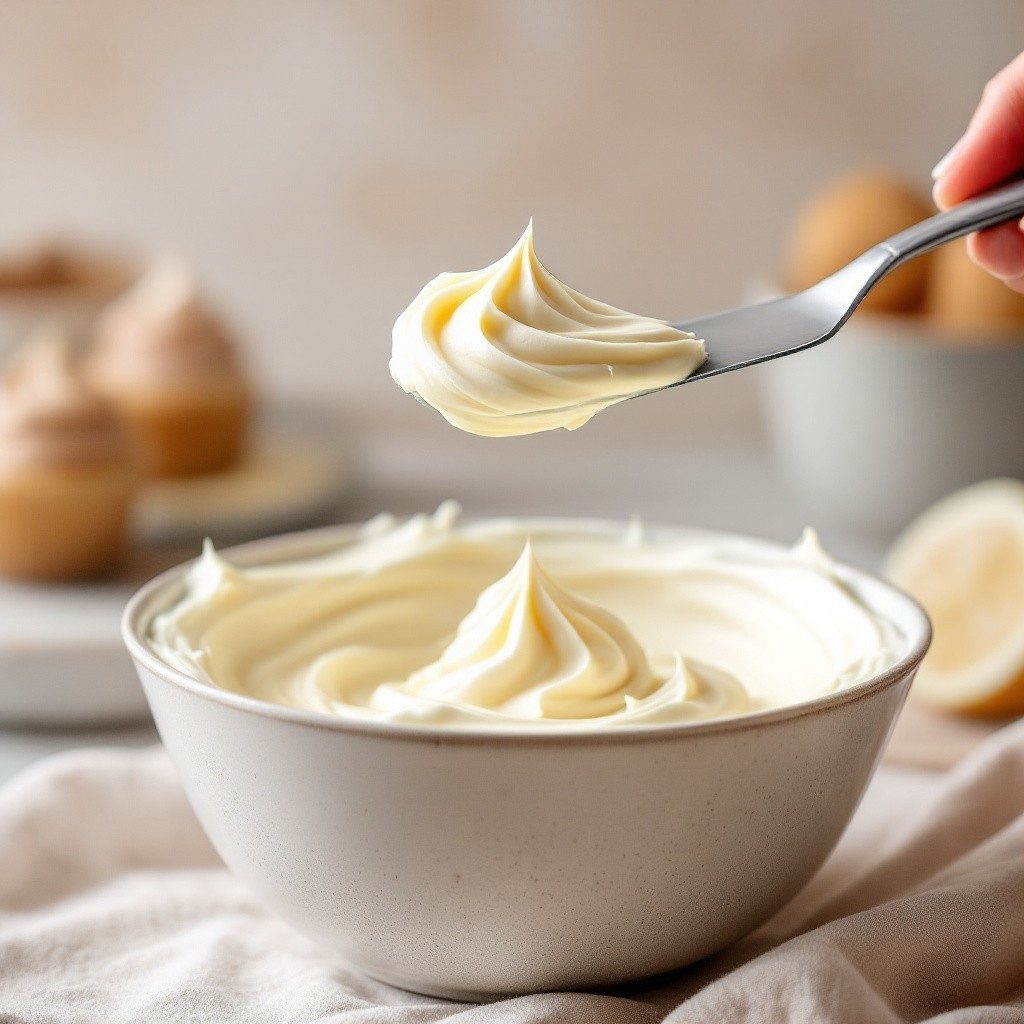
- Prep time
- 10 minutes
- Bake time
- No cooking
- Total time
- 10 minutes
- Makes
- About 750g, enough to fill and cover one 20cm two-layer cake
- Difficulty
- Beginner
Ingredients
- 250g unsalted butter, softened but still cool
- 500g icing sugar, sifted
- 2 tsp vanilla extract
- A pinch of fine salt
- 2 to 4 tbsp whole milk, at room temperature
Equipment
- Stand mixer or electric hand mixer
- Sieve
- Large bowl and spatula
- Palette knife or cake scraper for covering
Method
- Beat the butter on its own for 4 to 5 minutes, until it is very pale and looks almost whipped. This step is what makes buttercream light rather than greasy.
- Add the sifted icing sugar in three goes, beating on low after each addition so it does not fly out of the bowl, then on medium for a minute.
- Add the vanilla and salt. The salt is not optional: it takes the raw edge off the sweetness.
- Add milk one tablespoon at a time until you reach the consistency you need (see below), beating for another minute after the last addition.
- Beat on the lowest speed for 2 minutes at the end. This knocks out air bubbles and is the difference between a smooth finish and a pitted one.
Storage
Keeps in an airtight container for 3 days at room temperature in a cool kitchen, 2 weeks in the fridge, or 3 months in the freezer. Bring it back to room temperature and re-beat before using: it will look separated at first and come back together after a minute.
KKD baking tips
- Filling consistency: medium, like thick whipped cream. It should hold its shape when you spread it but not fight the palette knife. Usually 3 tbsp of milk.
- Crumb coat consistency: slightly looser, one extra tablespoon of milk. A thin coat that traps the crumbs, then 20 minutes in the fridge before the next coat.
- Final covering consistency: back to medium. Too soft and it will not hold a sharp edge; too stiff and it drags the crumb coat.
- Piping consistency: stiffer, with little or no milk. It should hold a peak when you lift the spatula. Add a tablespoon of extra icing sugar if it slumps.
- Cool butter, not warm butter. Softened means it gives when you press it, not that it is greasy or melting.
Common mistakes, and how to fix them
- Too soft and slumping: the butter was too warm or the kitchen is. Put the whole bowl in the fridge for 15 minutes, then re-beat. If it is still soft, beat in 50g more sifted icing sugar.
- Grainy: the icing sugar was not sifted, or it needs another 2 minutes of beating.
- Full of air holes: beaten too fast at the end. Finish on the lowest speed.
- Too sweet: add the pinch of salt and an extra half teaspoon of vanilla.
- Split or curdled looking: the milk was fridge-cold. Keep beating and it will usually come back.
Serving suggestions
Use on any of the cakes in this Journal. Colour it with gel colouring rather than liquid, and add it a little at a time.