
Classic Vanilla Celebration Cake
This is the sponge to learn first. It is sturdy enough to fill, stack and decorate, soft enough to be worth eating on its own, and forgiving enough that you can see where a step went wrong and fix it next time. Read the tips before you start: with a vanilla cake, technique matters more than the ingredient list.
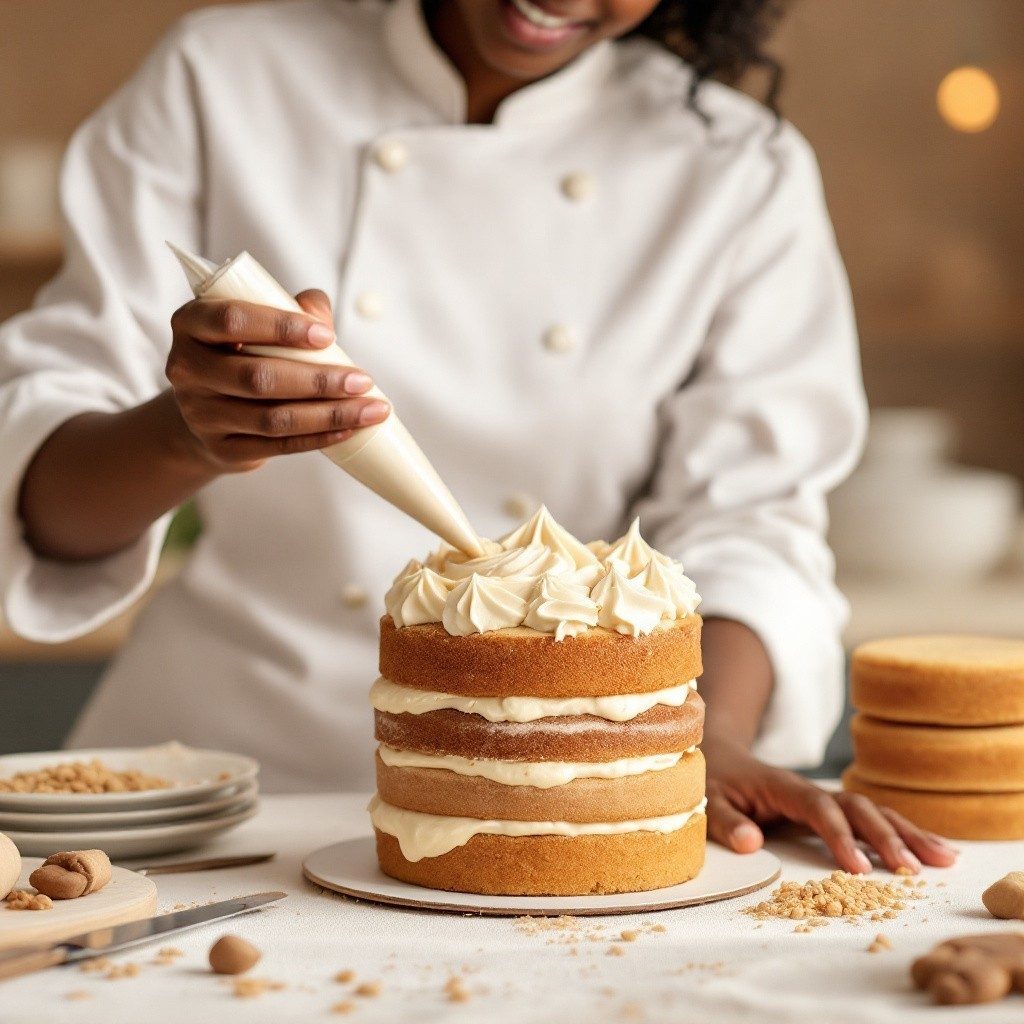
- Prep time
- 25 minutes
- Bake time
- 30 to 35 minutes
- Total time
- About 2 hours including cooling
- Makes
- Two 20cm (8 inch) layers, about 12 to 16 slices
- Difficulty
- Beginner
Ingredients
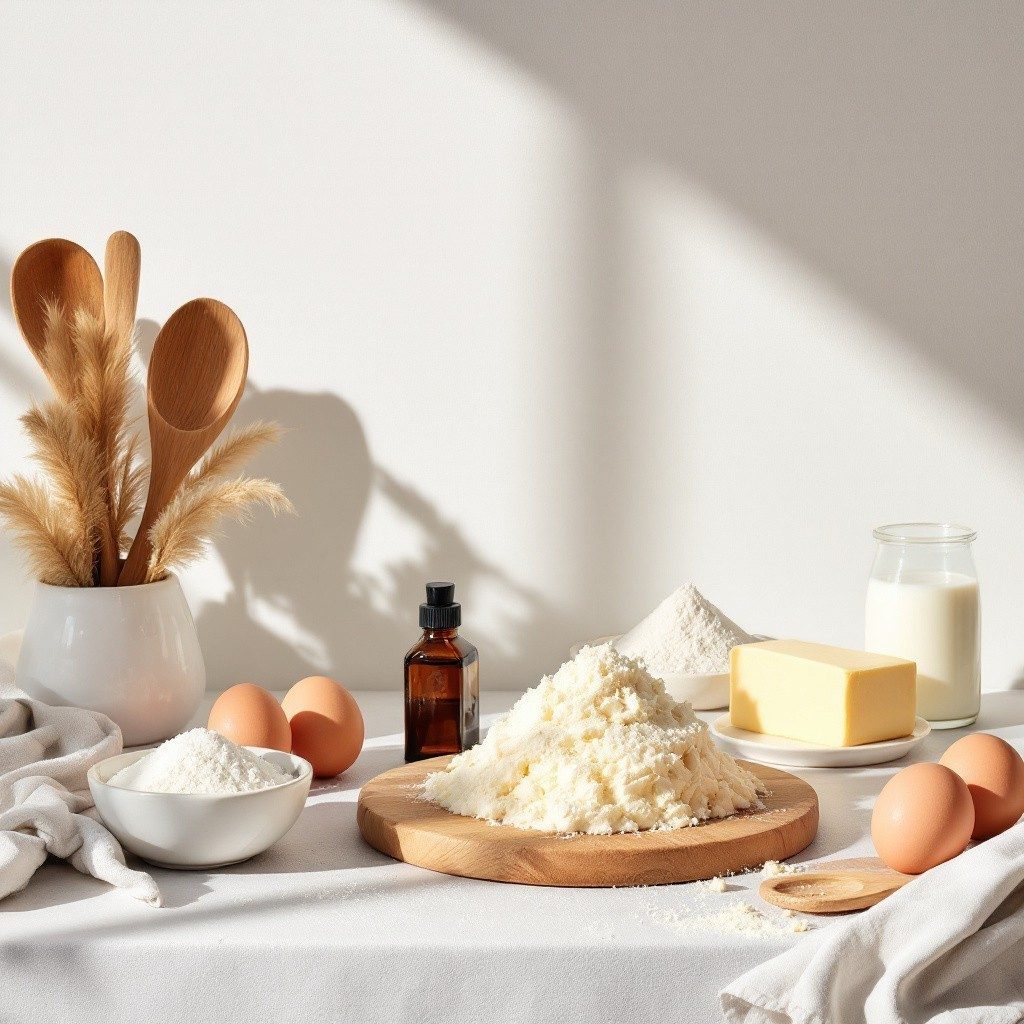
- 350g unsalted butter, softened to room temperature
- 350g caster sugar
- 6 large eggs, at room temperature
- 350g self-raising flour
- 1 tsp baking powder
- ¼ tsp fine salt
- 2 tsp vanilla extract
- 4 tbsp whole milk, at room temperature
Equipment
- Two 20cm (8 inch) round cake tins
- Baking parchment
- Digital kitchen scales
- Electric hand mixer or stand mixer
- Large mixing bowl and spatula
- Wire cooling rack
- Skewer or cake tester
Method
- Heat the oven to 160°C fan / 180°C conventional / gas mark 4. Grease two 20cm tins and line the bases with baking parchment.
- Beat the butter and sugar together for 4 to 5 minutes, until noticeably paler and light. This is where the cake gets its lift, so do not rush it.
- Add the eggs one at a time, beating well after each. If the mixture looks curdled, add a tablespoon of the flour and carry on.
- Sift the flour, baking powder and salt together over the bowl.
- Fold the flour in gently with a spatula until you can no longer see dry flour. Stop there.
- Fold in the vanilla and the milk. The batter should drop off the spatula in a soft ribbon.
- Divide between the tins and level the tops. Weighing the tins is the easiest way to get two even layers.
- Bake for 30 to 35 minutes, without opening the oven for the first 25.
- The cake is done when it springs back to a light touch, the edges have just come away from the tin, and a skewer in the centre comes out clean.
Cooling
Cool in the tins for 10 minutes, then turn out onto a wire rack and leave until completely cold, at least 2 hours. A cake that is even slightly warm will melt buttercream, slide when you stack it and tear when you level it. This is the single most common reason a first celebration cake goes wrong.
Storage
Wrapped well in cling film, the un-iced layers keep for 2 days at room temperature or up to 3 months in the freezer. Defrost still wrapped. Once filled with buttercream, keep the cake somewhere cool and eat within 3 days.
KKD baking tips
- Room temperature really does matter. Cold butter will not aerate and cold eggs make the mixture split. Take both out an hour before you start, or stand the eggs in warm water for 10 minutes.
- Weigh your flour. A cup of flour scooped from the bag can weigh 30% more than a cup spooned in and levelled. That difference alone turns a soft sponge into a dry one. Digital scales cost very little and fix this permanently.
- Stop mixing when the flour disappears. Beating after the flour goes in develops gluten, and gluten in a cake means a tough, rubbery, tunnelled crumb.
- Check before you trust the timer. Ovens vary by 20 degrees or more. Use the spring-back test and the skewer together, and start checking at 30 minutes.
- Cool completely. Not “mostly cool”. Completely. Room temperature all the way through.
Common mistakes, and how to fix them
- Sunk in the middle: usually underbaked, or the oven door was opened too early. Give it the full 25 minutes undisturbed.
- Dry and crumbly: too much flour, or a few minutes too long in the oven.
- Dense and heavy: the butter and sugar were not creamed long enough, or the flour was overmixed.
- Domed on top: the oven is running hot. Drop it 10 degrees and level the cake once it is cold.
Serving suggestions
Fill and cover with Basic Vanilla Buttercream, add fresh berries or a simple piped border, and serve at room temperature: a fridge-cold sponge always tastes drier than it is.